Solana Co-founder Calls Memecoins and NFTs “Digital Slop,” Igniting Community Backlash



Anatoly Yakovenko, co-founder of Solana, has stirred significant controversy within the crypto community with a recent statement. Yakovenko labeled both memecoins and NFTs as “digital slop,” drawing considerable criticism, especially given that a large portion of Solana’s revenue is derived from memecoins.
“I’ve Been Saying the Same Thing for Years”
On July 28, Yakovenko took to X (formerly Twitter) to share his stance:
“I’ve been saying this for years. Memecoins and NFTs are digital slop and have no intrinsic value.” Source: Anatoly Yakovenko
This blunt declaration came during a debate with Jesse Pollak, the founder of the Base platform. Pollak argued that NFTs and memecoins possess inherent value as content, while Yakovenko countered that any perceived value is solely a product of market pricing and fundamentally meaningless.
Would Memecoins Exist Without Solana?

The irony lies in the fact that the Solana network owes much of its current success to memecoin activity. In fact, as of June 2025 data, 62% of Solana’s decentralized application (dApp) revenue comes solely from memecoins. This marks an all-time high for the network. Source: Syndica
Yakovenko acknowledges this reality but draws an analogy to Apple’s business model:

“A large portion of Apple’s revenue is also based on loot boxes. But that doesn’t mean they are valuable.”
The “loot boxes” he refers to are in-game purchases in mobile games that offer players random rewards. These boxes often encourage repeated spending and have faced significant regulatory pressure in countries like Germany and Australia due to their unpredictable content. Yakovenko’s comparison of memecoins to these chance-based game boxes appears to be part of a broader critique questioning user behavior. Source: Anatoly Yakovenko
Community Reacts: “Mocking His Own Users”

The crypto community’s reaction was swift. An X user named “Caps” from the Flaunch team described Yakovenko’s comments as an insult to his own user base. Another commentator, “Karbon,” criticized Ethereum founder Vitalik Buterin’s more detached approach to memecoins, contrasting it with Yakovenko’s perceived hypocrisy:
“I don’t particularly like Vitalik’s approach, but Toly’s is far more insincere. He constantly promotes memecoins but thinks they’re worthless in the background.”
Memecoins Still a Major Revenue Source
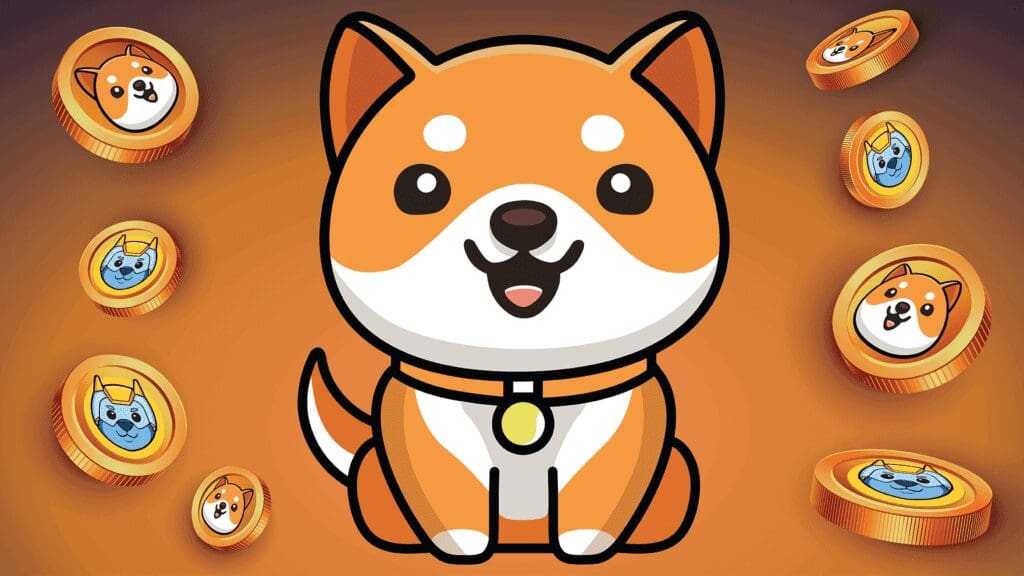
In the first half of the year, the Solana network generated $1.6 billion in revenue, with a significant portion stemming from memecoin activities. Specifically, the memecoin launch platform Pump.fun and PumpSwap, used for trading coins listed on the platform, played a crucial role in these earnings.
However, a new rival platform called LetBonk is rapidly gaining traction. At times, LetBonk has even managed to surpass Pump.fun in 24-hour revenue, potentially becoming one of the new dominant players in Solana’s memecoin scene.
Debate Likely to Intensify
Yakovenko’s remarks have reignited ongoing discussions about the place of memecoins and NFTs within the crypto ecosystem. The founder of a network like Solana criticizing his own revenue sources with dismissive language leaves both investors and developers in a quandary.
The crypto community remains divided: one faction supports the “digital slop” perspective, while another argues that memecoins and NFTs hold intrinsic value as content and have secured a cultural foothold.
What are your thoughts on Yakovenko’s “digital slop” comments and the ongoing debate surrounding memecoins and NFTs?
You Might Also Like;